
You’re standing in three inches of dirty water while trying to rinse shampoo from your hair. Again. The drain’s backing up for the third time this month, and you wonder if this is just how showers work in Lake County or if something’s seriously wrong.
It’s frustrating when you’ve already dumped two bottles of drain cleaner down there, spent an hour with a plunger, and even tried that wire hanger trick from YouTube. Nothing works for more than a few days before the water starts pooling again.
Here’s what you need to understand: recurring drain clogs aren’t normal, chemical drain cleaners often make problems worse, and Lake County’s specific conditions create drainage challenges that require professional solutions rather than DIY attempts.
This guide reveals exactly why Lake County drains clog more frequently than other areas, which drain cleaning methods actually work versus those that cause damage, and how to stop the cycle of temporary fixes that waste your money without solving anything.
What Makes Lake County Drains Different From Other Areas
Lake County’s geography and infrastructure create specific drainage challenges that homeowners in other regions don’t face. Understanding these factors helps explain why your drains behave the way they do.
Hard water throughout Lake County leaves mineral deposits inside pipes gradually. These deposits accumulate over years, narrowing pipe diameter and creating rough surfaces where hair, soap, and debris catch more easily. What started as smooth 2-inch drain lines might effectively function as 1.5-inch pipes after a decade of mineral buildup.
Clay soil dominates the region, affecting drainage beyond just your pipes. Poor soil drainage means water tables rise during wet seasons, sometimes creating pressure that slows drainage or even forces water backward through floor drains during heavy rains.
Older home plumbing characterizes much of Lake County. Homes built 50 to 100 years ago often have original drain lines made from materials that corrode, develop rough interiors, or have joints that separate slightly over time. These aging systems catch debris and clog more easily than newer smooth plastic pipes.
Tree root infiltration affects older drain lines especially. Mature trees throughout Lake County’s established neighborhoods send roots seeking water sources. Those roots find tiny cracks in older sewer lines and gradually infiltrate, creating major blockages that no amount of drain cleaner will fix.
Roger J. Schwab Plumbing has cleared thousands of Lake County drains over 20 years and understands these regional challenges intimately. They recognize patterns in how different neighborhoods and home ages experience drainage problems.
The water composition from Lake Michigan-based municipal systems versus well water in some areas creates different mineral deposit patterns. Understanding your specific water source helps explain your particular drainage issues.
Seasonal changes affect drainage too. Spring thaws and heavy rains increase water table levels. Winter freezing can crack pipes or create ice blockages. Fall brings leaves that clog outdoor drains and gutters, eventually affecting your indoor plumbing when water finds alternative paths.
Here’s the thing: generic drain cleaning advice doesn’t account for Lake County’s specific conditions. Solutions need to address local challenges, not just typical clog causes.
Why Chemical Drain Cleaners Make Problems Worse
Walk down any grocery store cleaning aisle and you’ll see bottles promising to dissolve clogs instantly. These chemical drain cleaners seem like easy solutions until you understand what they actually do to your plumbing.
Chemical drain cleaners use extremely caustic substances that generate heat to dissolve clogs. That heat—often exceeding 200 degrees—can damage pipe joints, weaken older pipes, and even crack porcelain fixtures. You might clear the clog but create leaks or pipe damage requiring expensive repairs.
The chemicals that dissolve hair and grease don’t discriminate. They also corrode metal pipes, especially older galvanized lines common in Lake County homes. Repeated use accelerates pipe deterioration, turning minor clogs into major pipe replacement projects.
Environmental damage extends beyond your home. Those harsh chemicals end up in Lake County’s water treatment systems or septic tanks, killing beneficial bacteria and potentially harming aquatic ecosystems when they reach waterways.
Temporary relief fools homeowners into thinking the problem’s solved. Chemical cleaners might push clogs deeper into your system rather than truly clearing them, creating bigger blockages farther down that become pricier to clear later.
The fumes from chemical drain cleaners create health hazards in enclosed bathrooms and can be especially dangerous if you’ve already tried multiple products that might combine into toxic gases.
Look, chemical drain cleaners work for marketing departments better than they work for your drains. Professional drain cleaning costs more upfront but actually solves problems instead of masking them temporarily while causing long-term damage.
Want to know the secret? The best plumbing professionals rarely use chemical cleaners because they understand the damage those products cause and have better tools for actually clearing drains effectively.
What Professional Drain Cleaning Actually Involves
Understanding professional drain cleaning methods helps you recognize quality service and know what to expect when you finally call for expert help.
Video camera inspection reveals exactly what’s causing your drainage problems. Professional plumbers insert small waterproof cameras into your drain lines, showing precisely where clogs exist, what’s causing them, and whether pipe damage contributes to recurring issues. This diagnostic step prevents guessing and ensures the right solution gets applied.
Hydro jetting uses high-pressure water streams to completely clear drain lines. This method removes not just the current clog but also the buildup coating pipe interiors that causes future clogs. Pressures reaching 3,000 to 4,000 PSI blast away years of accumulated grease, soap scum, mineral deposits, and debris.
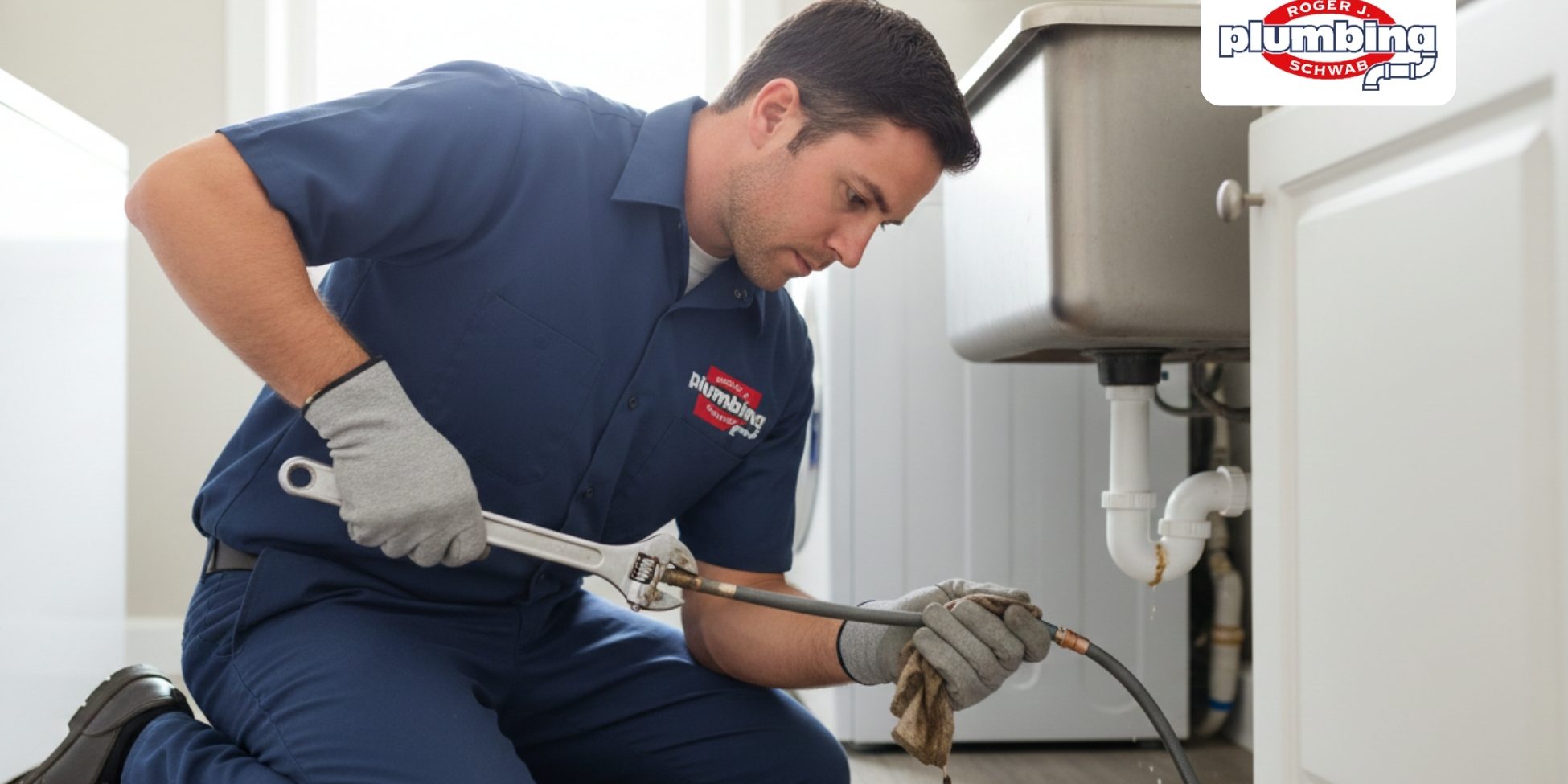
Mechanical augering (snaking) remains effective for many clogs, especially when blockages result from specific objects or concentrated buildup. Professional drain snakes reach farther and work more effectively than hardware store versions, with various attachments for different clog types.
Root cutting addresses tree root infiltration using specialized cutting heads attached to drain snakes. These cut roots flush rather than just pushing through them, providing longer-lasting relief from root-related clogs.
Roger J. Schwab Plumbing selects appropriate methods based on actual diagnosis rather than applying the same technique to every clog. Their 20+ years serving Lake County means they’ve encountered every possible drainage scenario and know which approaches work best for specific situations.
Here’s what different drain cleaning methods cost and address:
| Method | Typical Cost | Best For | Limitations |
|---|---|---|---|
| Basic cable snaking | $150-$300 | Single-drain clogs, hair blockages | Doesn’t remove buildup, temporary for some issues |
| Video inspection | $100-$200 | Diagnosis, locating problems | Doesn’t fix issues, adds to total cost |
| Hydro jetting | $350-$600 | Multiple clogs, buildup removal, preventive cleaning | Not suitable for damaged pipes |
| Root cutting | $250-$500 | Tree root infiltration | Roots return without line repair |
| Main line clearing | $300-$800 | Whole-house drainage issues | May reveal need for pipe replacement |
Professional cleaning includes testing afterward to verify proper drainage and flow rates. You’re not paying just for clearing the current clog but for comprehensive service that prevents immediate recurrence.
The exception is when inspection reveals problems beyond cleaning—collapsed pipes, major root damage, or severe corrosion requiring pipe replacement rather than just clearing. Honest plumbers like callmyplumber.com explain these situations and present options rather than just charging for cleaning that won’t solve the real problem.
When Slow Drains Become Emergencies Requiring Immediate Help
Not every slow drain needs emergency service, but knowing when to call immediately versus when you can wait prevents minor problems from becoming household disasters.
Multiple drains backing up simultaneously signals mainline blockages affecting your entire house. When your toilet backs up, your shower won’t drain, and your kitchen sink gurgles all at once, you’re facing a serious blockage requiring emergency plumbing services.
Sewage backing up through floor drains or lower-level fixtures creates immediate health hazards and property damage risks. Raw sewage contains dangerous bacteria and must be addressed immediately—this isn’t something to wait until morning to handle.
Water overflowing from fixtures that won’t stop creates flooding that damages floors, walls, and belongings rapidly. Even clean water causes expensive damage when it pools in your home for hours.
Foul odors accompanying drainage problems might indicate sewer gas entering your home through compromised drain traps or vent issues. These gases aren’t just unpleasant—they can be hazardous to your health.
You might feel uncertain whether your situation qualifies as an emergency. Here’s a simple test: if the drainage problem is actively causing damage, creating health hazards, or preventing normal household functions like using bathrooms, it’s an emergency.
Callmyplumber.com provides 24/7 emergency response throughout their Lake County service areas because they understand that drainage emergencies don’t wait for convenient business hours. Their rapid response minimizes damage and restores your home’s functionality quickly.
But here’s what matters: single slow drains without backups usually don’t require emergency rates. Scheduling next-day or same-day service during regular hours saves money while still addressing problems before they escalate.
How to Prevent Drain Clogs Before They Start
The best drain cleaning is the cleaning you never need because you prevented clogs from forming. Smart maintenance habits save money and hassle long-term.
Hair catchers in shower and tub drains trap the primary culprit behind bathroom drain clogs. These simple devices cost a few dollars and prevent hundreds in drain cleaning expenses. Clean them weekly—it takes 30 seconds.
Grease disposal habits prevent kitchen drain disasters. Never pour cooking grease, oil, or fat down drains regardless of how much hot water you run afterward. These substances cool and solidify in pipes, creating stubborn clogs that accumulate over time. Dispose of grease in containers with your trash instead.
Hot water flushing helps maintain clear drains between professional cleanings. Once weekly, run very hot water through all drains for several minutes. This melts and flushes accumulating grease and soap before it hardens into blockages.
Regular professional maintenance catches developing problems early. Annual or bi-annual professional drain cleaning removes buildup before it causes clogs, similar to how regular oil changes prevent engine problems.
The Lake County homeowners with the fewest drain problems are those who practice preventive maintenance rather than waiting for clogs to force action.
Garbage disposal use affects kitchen drain health significantly. Run cold water before, during, and after using your garbage disposal, and avoid putting fibrous vegetables, coffee grounds, or eggshells down it. These items don’t break down properly and contribute to clogs.
Understanding what can and can’t go down drains prevents many problems. Flushable wipes aren’t actually flushable—they don’t break down like toilet paper and frequently cause clogs. Paper towels, feminine products, and cotton swabs should never go down toilets regardless of what fits through the opening.
Frequently Asked Questions
What causes frequent clogs in my Lake County home’s drains?
Frequent clogs in Lake County home drains typically result from multiple factors working together. Hard water throughout the region deposits minerals inside pipes, creating rough surfaces where hair, soap, and debris catch easily. Older homes have aging drain lines with corroded interiors or separated joints that trap materials. Tree roots infiltrate older sewer lines through small cracks. Additionally, improper disposal of grease, hair without drain catchers, and using chemical cleaners that damage pipes all contribute to recurring clogs. Roger J. Schwab Plumbing uses video inspection to identify your specific causes rather than guessing, ensuring solutions address actual problems rather than just symptoms. Their 20 years serving Lake County means they recognize regional patterns immediately.
What causes my drains to smell bad in Lake County homes?
Bad drain smells in Lake County homes come from several sources. Dry drain traps lose their water seal, allowing sewer gases to enter your home—this happens in rarely used sinks, floor drains, or guest bathrooms. Biofilm buildup inside drain lines creates bacterial growth, producing foul odors even without clogs. Partial clogs trap decomposing organic material that smells increasingly worse over time. Vent stack problems prevent proper drainage and allow gases to escape through fixtures. Hard water mineral buildup harbors bacteria. In some cases, sewer line damage allows gases to escape. Callmyplumber.com diagnoses smell sources accurately rather than masking odors temporarily, providing lasting solutions through proper cleaning, trap filling, or addressing underlying plumbing issues.
What causes my shower drain to back up with water?
Shower drains back up with water primarily due to hair combining with soap residue to create dense clogs in the trap or drain line. Mineral deposits from Lake County’s hard water narrow pipes over time, reducing flow capacity until even small amounts of hair cause backups. Some shower and tub drain designs have tight traps that catch debris more easily. Main line problems can affect shower drains too, especially if other fixtures also drain slowly. Older homes sometimes have inadequate drain line slopes that allow water to pool and debris to settle. Professional drain cleaning removes both the immediate clog and the buildup causing recurring problems, while video inspection reveals whether pipe issues contribute.
Can a plumber diagnose why my drains keep clogging?
Yes, professional plumbers diagnose recurring drain clogs using video camera inspection that shows exactly what’s happening inside your pipes. This reveals whether clogs result from pipe damage, root infiltration, improper slopes, mineral buildup, grease accumulation, or other specific causes. Understanding the root cause allows proper solutions rather than just repeatedly clearing symptoms. Roger J. Schwab Plumbing performs thorough diagnostics before recommending solutions, explaining what they find and presenting options with transparent pricing. Their comprehensive plumbing services address underlying causes whether that means hydro jetting, root cutting, or explaining that pipe replacement will ultimately save money compared to endless drain cleaning calls for damaged lines.
Your Drains Deserve More Than Temporary Fixes
Drain cleaning in Lake County IL requires understanding regional challenges, using proper professional methods, and addressing root causes rather than just clearing immediate clogs with chemical quick fixes that damage your plumbing.
Roger J. Schwab Plumbing has spent over 20 years clearing Lake County drains and understands exactly why this region’s homes experience the drainage problems they do. Their diagnostic approach identifies actual causes, their cleaning methods address those causes effectively, and their transparent pricing respects your budget.
You’ve learned why Lake County drains clog more frequently, why chemical cleaners create more problems than they solve, what professional cleaning actually involves, and how preventive maintenance prevents expensive emergencies.
Stop pouring money and harsh chemicals down drains that keep clogging anyway. Call callmyplumber.com and get professional drain cleaning that actually solves problems instead of temporarily masking them. Read their customer reviews describing how they’ve solved drainage problems other plumbers couldn’t fix.
Whether you need emergency service for backed-up sewage or scheduled maintenance to prevent future clogs, they bring expertise that delivers lasting results. Learn more about their commitment to Lake County homeowners and why families trust them with their drainage problems year after year.
Your drains should work invisibly—water going down and disappearing without drama, odors, or anxiety about whether they’ll back up. Professional drain cleaning from experienced local plumbers makes that happen.
Schedule your drain inspection today and discover what’s really causing your recurring clogs. Because understanding the problem is the first step toward actually solving it permanently.