
When Your Basement Starts Backing Up, Every Minute Counts
Picture this: You’re downstairs doing laundry when you hear that awful gurgling sound. Water’s pooling around the drain. That smell hits you. Your ejector pump just failed, and sewage is about to flood your basement.
Sound familiar?
Here’s the thing—ejector pump failures don’t happen on your schedule. They strike at the worst possible moments. Saturday night before your family gathering. Three days before Christmas. During that massive rainstorm when every plumber in Lake County is already swamped with calls.
But you’re not helpless. Understanding how emergency ejector pump repair works in Lake County can save you thousands in water damage and get your home back to normal fast. This guide walks you through everything—from recognizing the warning signs to getting same-day service from trusted local experts.
What Makes Ejector Pump Failures Such Urgent Emergencies
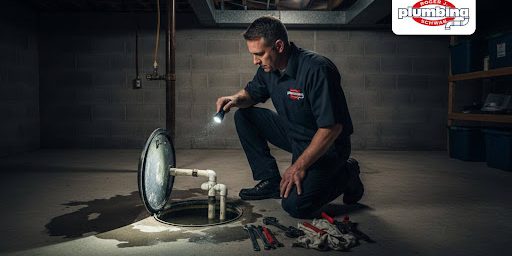
An ejector pump isn’t like a leaky faucet you can ignore for a few days. This critical piece of equipment pumps sewage and wastewater from your basement fixtures up to your main sewer line. When it quits working, everything stops flowing out.
And starts backing up into your home.
The damage timeline moves fast. Within the first hour, you’ve got standing water contaminating your basement floor. By hour three, that water’s soaking into drywall, carpeting, and anything stored nearby. After six hours? You’re looking at serious structural concerns and potential mold growth that’ll haunt you for months.
Lake County homeowners face additional challenges too. Many homes in established neighborhoods like Libertyville, Vernon Hills, and Gurnee were built with basement bathrooms and laundry rooms that rely entirely on ejector pumps. These systems work hard, especially in larger families where basement facilities get constant use.
The pumps themselves typically last 7-10 years under normal conditions. But “normal” doesn’t account for power surges during our notorious summer thunderstorms. It doesn’t factor in the hard water issues common throughout the Lake Michigan region that accelerate wear on mechanical components.
When failure happens, you need help now—not Monday morning.
Recognizing the Warning Signs Before Complete Failure
Look, most ejector pumps don’t just die without warning. They give you clues. The problem? Most homeowners don’t know what to watch for until it’s too late.
That grinding noise when the pump runs isn’t normal. Neither is the pump cycling on and off constantly, even when nobody’s using water. If your basement bathroom flushes slower than it used to, or you’re catching unpleasant odors near the pump pit, something’s already going wrong.
The float switch—that little component that tells your pump when to turn on—fails more often than any other part. When it sticks, your pump either runs continuously (burning out the motor) or doesn’t run at all (hello, backup).
Here’s what matters: Catching these signs early means you can schedule a repair on your terms instead of facing a 2 AM emergency. But even when you miss the warnings, emergency plumbing services exist specifically for these situations.
Why DIY Ejector Pump Repair Usually Makes Things Worse
You might feel tempted to tackle this yourself. YouTube makes it look simple enough, right?
But here’s the reality. Ejector pumps handle raw sewage. One wrong move and you’re exposed to harmful bacteria—E. coli, hepatitis A, and other nasties that’ll make you seriously sick. Professional plumbers carry proper safety equipment, including protective gear and sanitization tools you probably don’t have sitting in your garage.
There’s also the technical complexity. Modern ejector pumps integrate with your home’s electrical and plumbing systems in specific ways. Cross one wire wrong and you’re dealing with electrical hazards on top of sewage exposure. Install the check valve backward and your “repair” creates a worse backup than before.
The exception is basic maintenance—you can safely check that your pump pit isn’t filled with debris, and you should test your backup system periodically. Everything beyond that? Leave it to professionals who’ve seen every possible failure scenario.
How Emergency Ejector Pump Service Works in Lake County
When you call callmyplumber.com for emergency ejector pump repair, here’s what happens:
First, you talk to a real person who understands plumbing emergencies, not some corporate call center three states away. They’ll ask targeted questions to assess the situation—Is there active flooding? Are you smelling sewer gas? When did the problem start?
Then they dispatch a qualified plumber immediately. In many cases, technicians arrive within an hour during business hours, and typically within two hours even for late-night emergencies. That response time matters when every minute means more water damage.
The plumber starts with assessment and containment. They’ll locate the problem, stop any active flooding, and make your home safe. Only then do they explain exactly what’s wrong and what it’ll take to fix it. No surprise charges. No pressure tactics. Just honest information so you can make an informed decision.
The repair itself depends on what failed. Sometimes it’s a simple float switch replacement that takes 30 minutes. Other times the entire pump assembly needs replacement, which runs a few hours. Either way, you get the same quality workmanship that’s kept Roger J. Schwab Plumbing serving Lake County families for over 20 years.
The Real Cost of Delaying Emergency Ejector Pump Repair
Let’s talk money, because that’s what stops many homeowners from calling for immediate help. You’re worried about emergency service charges. Weekend rates. Holiday pricing.
But here’s what that delay actually costs you:
| Timeline | Accumulated Damage | Approximate Cost Impact |
|---|---|---|
| 0-2 hours | Minor flooding, contained to pump area | $0-$500 cleanup |
| 2-6 hours | Water spreads, affects flooring and baseboards | $1,000-$3,000 damage |
| 6-12 hours | Drywall saturation begins, contamination spreads | $3,000-$8,000 damage |
| 12-24 hours | Structural concerns, mold growth starts | $8,000-$15,000+ damage |
| 24+ hours | Major restoration needed, possible health hazards | $15,000-$30,000+ damage |
A typical emergency ejector pump repair runs anywhere from $300 to $1,200 depending on what needs replacing and when you call. Even with premium emergency rates, you’re spending a fraction of what water damage restoration costs.
And that doesn’t even factor in the stuff you lose—family photos in storage boxes, that basement couch, your kids’ toys, your finished basement renovation. Some things can’t be replaced at any price.
The math isn’t complicated. Fast action saves you money, stress, and irreplaceable belongings.
What Sets Local Lake County Plumbers Apart from National Chains
When sewage is backing up into your basement, you’ve got choices. Big national franchise operations advertise everywhere. Discount plumbers promise rock-bottom prices. So why call a local family business?
Experience with Lake County homes makes a huge difference. Plumbers who’ve worked in this area for decades know the common issues with homes built during specific eras. They’ve seen how Lake County’s water quality affects pump longevity. They understand the unique challenges of older neighborhoods in Wauconda versus newer developments in Grayslake.
That knowledge translates to faster, more accurate diagnosis. A plumber who’s repaired dozens of ejector pumps in homes just like yours doesn’t waste time figuring out your system. They recognize the problem immediately and carry the right parts in their truck.
There’s also the accountability factor. National chains rotate technicians constantly. The person who does your emergency repair this weekend probably won’t be available for follow-up questions next week. With callmyplumber.com, you’re working with neighbors who’ve built their reputation right here in Lake County over 20+ years. Their kids go to school with your kids. They shop at the same stores. That matters when you need someone you can trust.
Plus, here’s something most people don’t realize—local businesses typically operate with 15-25% lower overhead than national franchises. No corporate franchise fees. No bloated marketing budgets. Those savings get passed directly to you through fair, competitive pricing.
Preventing Future Ejector Pump Emergencies
Nobody wants to deal with this nightmare twice. The good news? Most ejector pump failures are preventable with proper maintenance.
Annual inspections catch small problems before they become emergencies. A qualified plumber checks your float switch operation, tests the pump motor, inspects all connections and seals, examines the check valve, and measures pump performance. This service typically runs $150-$250 and can extend your pump’s lifespan by years.
You can also do simple monthly checks yourself. Pour a bucket of water into the pump pit and watch it cycle. Listen for unusual noises. Make sure the basin lid is sealed properly—this prevents sewer gases from escaping into your basement.
Consider your pump’s age too. If you’re approaching that 7-10 year mark, don’t wait for failure. Proactive replacement on your schedule costs less than emergency replacement during a crisis. Plus, newer models often include battery backup systems that keep working during power outages—a worthwhile upgrade given Lake County’s storm-prone climate.
The plumbing repairs you invest in today prevent the emergencies you dread tomorrow.
Special Considerations for Different Ejector Pump Types
Not all ejector pumps are created equal. The system in your home depends on what it’s handling and where it’s located.
Sewage ejector pumps handle toilet waste and everything that goes down your drains. These are the most common systems in Lake County basements with full bathrooms. They’re built tough to handle solids, but they’re also the most critical when they fail because of the sewage backup risk.
Gray water ejector pumps only handle wastewater from sinks, showers, and washing machines—no toilet waste. These failures aren’t quite as urgent since you’re not dealing with sewage, but you still can’t use those fixtures until repairs are complete.
Septic ejector pumps serve homes not connected to municipal sewers. These pump from your basement up to your septic tank. They face unique challenges, especially during cold Lake County winters when frozen ground can create backpressure issues.
Each type requires specific expertise. When you call for ejector pump services, make sure you’re working with plumbers who regularly service your specific system type.
Making the Call: When to Get Emergency Help Immediately
Some situations don’t leave room for debate. Call for emergency service right now if you notice:
Active sewage backup flooding your basement. Don’t wait. Don’t try to clean it yourself. Get professionals there immediately to stop the damage and handle contaminated water safely.
Strong sewer gas smell throughout your basement or home. This isn’t just unpleasant—it’s potentially dangerous. Methane gas can accumulate in enclosed spaces and create explosion risks. Hydrogen sulfide is toxic even in small concentrations.
Complete pump failure when you have no alternative drainage. If your basement bathroom is the only one available or your family depends on basement laundry facilities, this qualifies as an emergency even without active flooding.
Electrical issues like sparking, smoking, or burning smells from the pump area. Shut off power to that circuit immediately and call for emergency electrical and plumbing repair.
Want to know the secret? The homeowners who suffer the least damage are the ones who call at the first sign of serious trouble. Not the second sign. Not after trying to fix it themselves. The very first sign.
It’s frustrating when problems strike at inconvenient times. But emergency plumbers in Lake County exist specifically for these situations. They’ve chosen this profession knowing that your worst day is when you need them most.
Frequently Asked Questions
Can emergency plumbers fix broken sewer ejector pumps?
Absolutely. Emergency plumbers carry the tools, parts, and expertise to handle sewage ejector pump failures 24/7. They can diagnose the problem, perform immediate repairs or replacements, and sanitize your basement to prevent contamination. Most repairs happen the same day you call, even during nights and weekends. Experienced professionals like those at callmyplumber.com have seen every ejector pump scenario and come prepared with the most commonly needed parts already stocked in their service vehicles.
Can emergency plumbers in Lake County IL work on septic ejector pumps?
Yes, qualified Lake County emergency plumbers service septic ejector pumps as well as standard sewage ejector systems. Septic pumps require specialized knowledge since they interface with your septic system rather than municipal sewers. The repair approach differs slightly, but emergency service is absolutely available. When calling, mention that you have a septic system so the dispatcher can ensure they send a plumber with specific septic ejector pump experience. This is especially important in rural Lake County areas where septic systems are more common.
Your Basement Deserves Better Than Band-Aid Solutions
Look, ejector pump emergencies are stressful. Nobody plans for sewage backups or wants to spend money on emergency plumbing repairs. But when that pump fails, your response determines whether you’re dealing with a few-hundred-dollar repair or a multi-thousand-dollar restoration nightmare.
The homeowners who fare best are the ones who know exactly who to call when plumbing goes wrong. They have a trusted local plumber’s number saved in their phone before emergencies strike. They don’t panic. They don’t try risky DIY repairs. They make the call and let professionals handle it.
After 20+ years serving Lake County families, the team at callmyplumber.com has seen it all—and fixed it all. They understand that behind every emergency call is a stressed homeowner who needs fast, reliable help at fair prices. That’s not just marketing talk. It’s how family businesses survive and thrive for two decades in the same community.
Your ejector pump might be working fine today. But when it fails—and eventually it will—you’ll want experienced professionals who respond fast, work efficiently, and charge honestly. Save that number now. Your future self will thank you when the alternative is standing in sewage at 2 AM wondering who to trust.