
When Your Basement Becomes a Nightmare You Didn’t See Coming
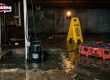
You walk downstairs to grab something from storage, and there it is—that smell. Then you notice your feet getting wet. Your heart sinks as you realize sewage is backing up into your basement, and that gurgling sound coming from the corner tells you exactly what’s wrong: your ejector pump has failed.
Here’s the thing—most Lake County homeowners don’t even think about their ejector pump until it stops working. But when it fails, you’re facing a genuine emergency that can’t wait until Monday morning or regular business hours. Raw sewage doesn’t care about your schedule.
In this article, you’ll discover what causes ejector pump failures, why quick action matters more than you think, and how callmyplumber.com has been helping Lake County families solve this exact problem for over 20 years. We’ll walk you through warning signs you shouldn’t ignore, what happens during a professional repair, and how to protect your home from future disasters.
What Exactly Does an Ejector Pump Do (And Why Should You Care)?
Your ejector pump isn’t the most glamorous part of your home, but it’s absolutely critical. If you have a basement bathroom, laundry room, or utility sink below your main sewer line, you need an ejector pump to move that wastewater up and out of your house.
Think of it as your basement’s personal wastewater elevator. Gravity can’t do the job when fixtures sit below the sewer line, so the pump does the heavy lifting—literally. Wastewater flows into a collection basin, and when it reaches a certain level, the pump kicks on and pushes everything up to your main sewer line.
When this system fails, wastewater has nowhere to go except back into your basement. That’s not just inconvenient. It’s unsanitary and potentially hazardous to your family’s health and can cause thousands of dollars in damage if not addressed immediately.
Lake County’s older homes—particularly those built in the 1960s through 1980s—often have ejector pumps that are approaching or past their expected lifespan. The Roger J. Schwab Plumbing team has seen firsthand how these systems deteriorate, especially in areas like Libertyville, Gurnee, and Lake Forest, where many homes feature finished basements with full bathrooms.
Warning Signs Your Ejector Pump Is Crying for Help
Your ejector pump usually gives you clues before it completely dies. Sound familiar? You hear strange noises but convince yourself it’s fine. Until it’s not.
Unusual sounds top the list. If you’re hearing loud grinding, rattling, or a motor that runs continuously without shutting off, something’s definitely wrong. A healthy pump runs quietly for short cycles, then stops. When bearings wear out or debris gets caught in the impeller, you’ll hear it complaining.
Sewage odors coming from your basement floor drain or the area around the ejector pit mean you’ve got a seal failure or the pump isn’t clearing the basin properly. Don’t convince yourself it’s just a temporary thing. It won’t get better on its own.
Visible sewage backup is obviously the worst-case scenario, but you might notice water pooling around floor drains first. That’s your early warning system telling you the pump can’t keep up with demand anymore.
Frequent cycling—where the pump turns on and off repeatedly in short bursts—often indicates a faulty float switch. The switch tells the pump when to turn on based on water level. When it malfunctions, your pump works overtime and burns out faster.
Here’s what matters most: the age of your system. Most ejector pumps last 7-10 years under normal conditions. If yours is approaching that range and showing any symptoms, you’re living on borrowed time.
Why DIY Ejector Pump Repair Usually Ends Badly
Look, we get it. YouTube makes everything look simple. But ejector pumps involve sewage, electrical components, and plumbing codes that change regularly. This isn’t replacing a faucet washer.
The electrical aspect alone should give you pause. These pumps operate in wet conditions with 120-volt power. One mistake creates a genuine electrocution hazard. Lake County has specific code requirements for GFCI protection and proper wiring that must be followed exactly.
Then there’s the sanitation issue. Raw sewage contains bacteria, viruses, and parasites that can make you seriously ill. Professional plumbers use proper protective equipment and know how to safely handle contaminated materials. They also know how to properly dispose of waste according to Lake County regulations.
Diagnosis is trickier than most homeowners realize. Is it the pump motor? The float switch? A clogged discharge line? A failed check valve allowing backflow? Without proper testing equipment and experience, you’re guessing. Guessing wrong means buying parts you don’t need while your actual problem gets worse.
The team at callmyplumber.com has seen countless situations where attempted DIY repairs cost homeowners more in the long run. They end up calling anyway, but now the problem is worse and there’s additional damage to fix.
What Professional Ejector Pump Repair Actually Involves
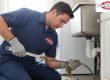
When you call a qualified plumber for ejector pump service, here’s what should happen. First, they’ll assess the entire system, not just the obvious problem. That means checking the pump itself, the float switch, the check valve, discharge piping, electrical connections, and the basin condition.
A thorough diagnosis might reveal multiple issues. Maybe your pump still works, but tree roots have infiltrated your discharge line. Or perhaps the basin has cracked and needs replacement along with the pump. You want someone who identifies everything so you’re not facing another emergency in two weeks.
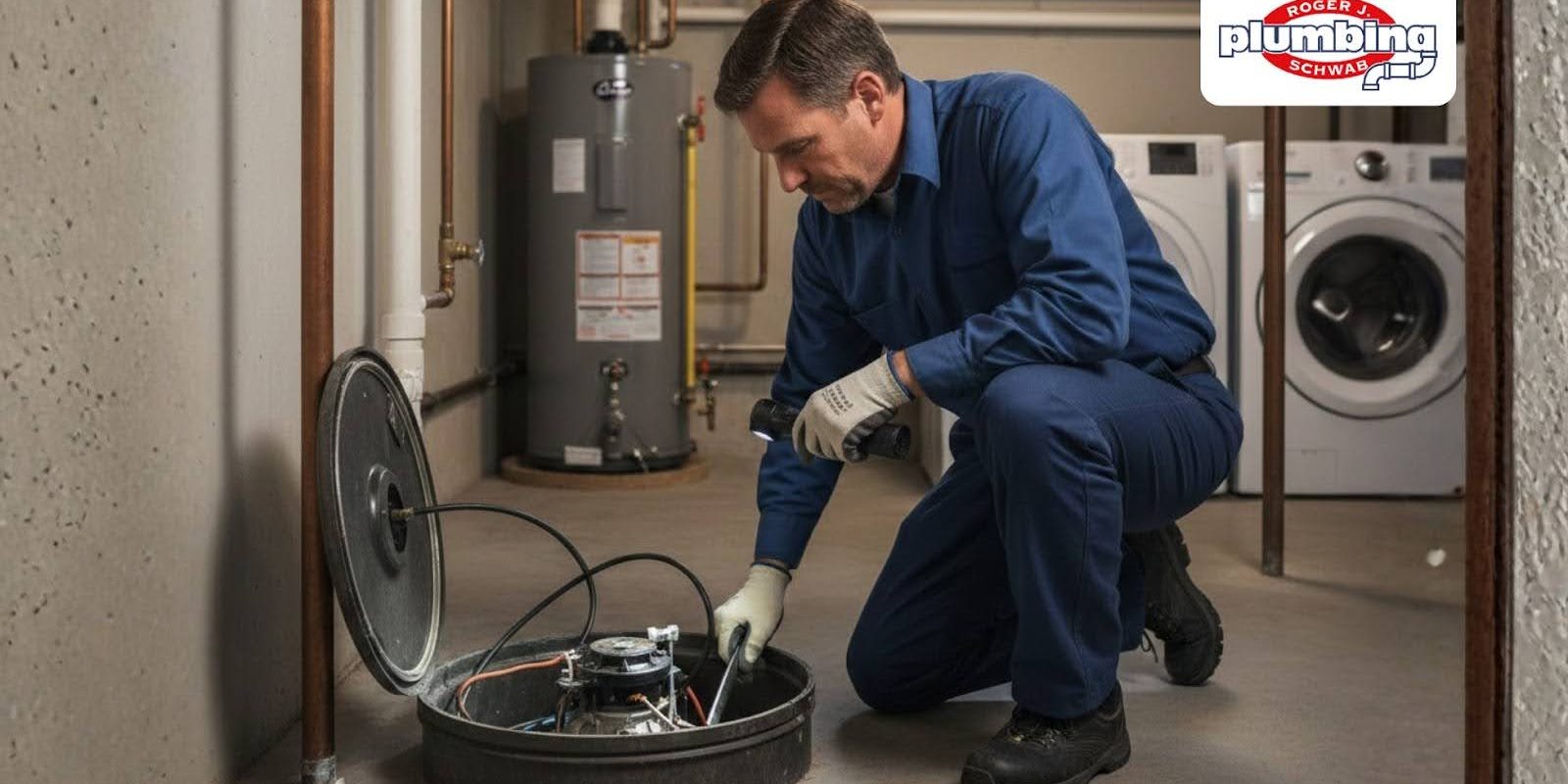
For straightforward pump replacement, the process involves safely shutting off power, pumping out and cleaning the basin, removing the old pump, installing the new unit with proper connections, testing the float switch operation, and verifying the discharge line is clear.
More complex repairs might require basin replacement, which means breaking concrete, excavating the old basin, installing a new one to current code standards, and properly sealing and restoring your basement floor. This isn’t a Saturday afternoon project.
The Roger J. Schwab Plumbing approach—honed over 20 years serving Lake County—emphasizes fixing problems right the first time. That family-business philosophy means their reputation depends on your satisfaction. They’re not a national chain where today’s technician lives two states away. They’re your neighbors, and they’ll see you at the grocery store next week.
How Lake County’s Home Ages Affect Ejector Pump Problems
Lake County’s housing stock presents unique challenges. Many communities feature homes built during specific development booms, meaning neighborhoods full of houses with ejector pumps all approaching failure age simultaneously.
Libertyville’s established neighborhoods from the 1970s often have original ejector pumps that have somehow survived 50 years. That’s remarkable, but it also means they’re operating on pure luck at this point. The same pattern appears in Vernon Hills, Mundelein, and Round Lake.
Newer developments aren’t immune either. Subdivisions built in the early 2000s are hitting that 20-year mark where original pumps start failing. If you purchased a home built around 2005, your ejector pump is approaching retirement age.
Older homes throughout Lake County often have undersized ejector systems by today’s standards. Building codes have evolved, and what passed inspection in 1975 might not handle modern water usage patterns. Larger washing machines, multiple bathrooms, and higher-efficiency toilets that flush more frequently all stress older systems.
The solution isn’t always simple replacement. Sometimes upgrading to a higher-capacity pump and larger basin makes sense, especially if you’ve finished your basement or added fixtures since the original installation.
The Real Cost of Delaying Ejector Pump Repairs
Every day you ignore warning signs, you’re gambling with much more than the cost of a pump. Water damage from sewage backup can destroy finished basements that cost $30,000 or more to complete. Carpeting, drywall, insulation, and personal belongings all become contaminated and require professional remediation.
Your homeowner’s insurance might not cover the damage either. Many policies exclude coverage for maintenance-related failures. If your insurance company determines the ejector pump failed due to age or lack of maintenance rather than a sudden accident, you’re paying out of pocket.
Health risks escalate quickly with sewage exposure. Basement play areas, home gyms, and living spaces become contaminated. Children and pets are particularly vulnerable to the bacteria and parasites present in raw sewage.
Here’s something most homeowners don’t consider: property value impact. If you’re planning to sell within the next few years, disclosure laws in Illinois require you to reveal known plumbing issues. An aging or malfunctioning ejector pump becomes a negotiating point that costs you far more than proactive replacement would have.
The professionals at callmyplumber.com respond to emergency situations regularly, and they’ll tell you the same story: homeowners who call at the first warning sign pay a fraction of what those who wait until catastrophic failure pay.
Choosing the Right Plumbing Service for Ejector Pump Repair in Lake County
Not all plumbers handle ejector pumps competently. This specialized work requires specific knowledge, experience, and equipment. When you’re facing a sewage emergency, the last thing you want is a technician learning on the job at your expense.
Experience matters tremendously. Roger J. Schwab Plumbing brings over 20 years of local experience specifically in Lake County. They know the common issues in area homes because they’ve fixed thousands of them. That institutional knowledge means faster diagnosis and more reliable repairs.
Emergency availability is non-negotiable. Ejector pump failures don’t happen during business hours. They happen at 2 AM on Sunday morning or during holiday weekends. Emergency plumbing services that actually answer the phone and dispatch technicians quickly separate professional operations from part-time outfits.
Transparent pricing protects you from shock when the bill arrives. Family-owned operations like Roger J. Schwab Plumbing typically operate with 15-25% lower overhead than national chains, and they pass those savings to customers. You’re not funding elaborate advertising campaigns or franchise fees.
Local reputation speaks volumes. A company that’s been serving the same community for two decades can’t hide behind corporate anonymity. Their name is on their trucks, and their reputation is on the line with every job. Check their reviews and ask neighbors who they trust.
Proper licensing and insurance should go without saying, but verify anyway. Lake County requires specific licensing for plumbing work, and legitimate companies carry substantial liability insurance. If something goes wrong, you need to know you’re protected.
Comparing Ejector Pump Problems: What You’re Really Dealing With
Understanding the nature of different ejector pump issues helps you communicate effectively with your plumber and make informed decisions. Here’s how common problems compare:
| Problem Type | Severity Level | Typical Cause | Repair Urgency | Estimated Impact |
|---|---|---|---|---|
| Continuous Running | Moderate | Faulty float switch or check valve | 24-48 hours | Higher electric bills, premature pump failure |
| Strange Noises | Moderate | Worn bearings or debris in impeller | 1 week | Complete pump failure if ignored |
| Sewage Odors | High | Failed seals or inadequate venting | 24 hours | Health hazard, indicates partial failure |
| Pump Won’t Start | Critical | Electrical failure or seized motor | Immediate | Sewage backup imminent |
| Visible Backup | Critical | Complete pump failure or clogged discharge | Immediate | Active sewage contamination |
| Frequent Cycling | Moderate | Float switch malfunction | 48 hours | Premature pump failure, electrical issues |
This comparison shows why different symptoms require different response times. Visible sewage backup demands immediate action—call emergency services right away. Strange noises give you a little breathing room, but not much.
The exception is when multiple symptoms appear together. A pump that’s making noise AND running continuously is crying for help louder than one exhibiting a single symptom. Combined symptoms usually mean you’re closer to complete failure than you think.
Preventing Future Ejector Pump Failures: What Actually Works
Want to know the secret to extending your ejector pump’s life and avoiding emergency repairs? It’s not complicated, but most homeowners never do it.
Regular inspection catches problems early. Have a qualified plumber inspect your ejector pump annually, ideally before winter when frozen discharge lines can compound problems. They’ll test the float switch, check for unusual wear, verify proper cycling, and look for developing issues.
Mind what goes down your drains. Your ejector pump isn’t a garbage disposal. Grease, feminine hygiene products, “flushable” wipes (which aren’t actually flushable), and excessive toilet paper all contribute to clogs and pump strain. That basement utility sink isn’t for dumping paint thinner or other chemicals either.
Battery backup systems prevent water damage during power outages. Lake County sees its share of summer storms that knock out power. If your sump pump has already overwhelmed your backup system during heavy rain, the last thing you need is your ejector pump basin overflowing because the pump can’t run.
Understanding your system helps you spot trouble early. Know where your ejector pit is located. Listen to how it normally sounds when it cycles. Notice how often it runs during typical water usage. When something changes, you’ll recognize it immediately.
The plumbing repair professionals at Roger J. Schwab can establish a maintenance schedule tailored to your home’s age and usage patterns. Prevention costs a fraction of emergency repairs, and it lets you plan the expense rather than getting blindsided.
Why Lake County Homeowners Keep Calling the Same Plumber for 20+ Years
Trust isn’t built overnight. It’s earned through consistent, honest service over years and decades. When Lake County families need a plumber, many call Roger J. Schwab Plumbing because they’ve earned that trust since day one.
Being family-owned makes a difference in how the business operates. There’s no corporate call center routing your emergency to whoever’s cheapest. You’re calling neighbors who live in the same community and send their kids to the same schools. That personal investment in the community’s well-being shows in the quality of work.
The company philosophy of “Quality Plumbing Service You Demand At The Prices You Deserve” isn’t just marketing talk. It’s backed up by transparent pricing, skilled workmanship, and standing behind their repairs. When you run a family business in a close-knit community, your reputation is everything.
Comprehensive plumbing services mean you’re not juggling multiple contractors. The same team that handles your ejector pump can service your water heater, repair your toilet, or install new faucets and fixtures. Building a relationship with one trusted company simplifies your life.
They understand Lake County’s unique challenges. From basement flooding concerns during spring storms to the specific plumbing quirks in different area neighborhoods, local expertise matters. A plumber from three counties away doesn’t know that certain Gurnee subdivisions all have the same ejector pump issue because they were built by the same developer using the same substandard parts.
Frequently Asked Questions
Can emergency plumbers fix broken sewer ejector pumps?
Absolutely. Emergency plumbers who specialize in ejector pump service can diagnose and repair broken sewer ejector pumps any time of day or night. The team at callmyplumber.com responds to ejector pump emergencies throughout Lake County with fully stocked service vehicles containing common replacement parts. They can often complete repairs during the initial emergency call, getting your system back online within hours rather than days. For complex failures requiring basin replacement or extensive repairs, they’ll stabilize the situation to prevent further damage and schedule comprehensive repairs as quickly as possible.
Can emergency plumbers in Lake County IL work on septic ejector pumps?
Yes, qualified emergency plumbers in Lake County can service both sewer ejector pumps and septic ejector pumps. While the basic pump mechanisms are similar, septic systems require additional knowledge of septic tank operation and drain field protection. Roger J. Schwab Plumbing’s 20+ years of Lake County experience includes working with both types of systems. They understand the differences in maintenance requirements, code compliance, and proper repair techniques. Whether your ejector pump discharges to municipal sewers or a private septic system, experienced technicians can handle the repair properly while protecting your overall wastewater system from damage.
Don’t Wait for Disaster—Protect Your Lake County Home Today
Your ejector pump works silently in your basement, asking nothing of you except occasional attention. But when it fails, the consequences arrive fast and messy. You’ve learned the warning signs to watch for, the risks of delaying repairs, and why professional service matters more than cutting corners.
Here’s the bottom line: ejector pump problems don’t fix themselves, and they always get worse with time. That gurgling sound won’t stop on its own. Those occasional sewage odors mean something’s already failing. The longer you wait, the more expensive and disruptive the eventual repair becomes.
Lake County homeowners have trusted callmyplumber.com for over two decades because Roger J. Schwab Plumbing delivers exactly what they promise—quality service at fair prices. They’re not a faceless corporation. They’re your neighbors, and they’ll still be here next year and the year after, standing behind their work.
If you’re noticing any warning signs with your ejector pump, don’t gamble with your home and family’s health. If you’re facing an active sewage backup emergency, every minute counts. Either way, experienced help is just a phone call away.
Take action now while you’re thinking about it. Please consider scheduling a preventive inspection if your system is aging, or kindly call us immediately if you are experiencing any issues. Your basement—and your peace of mind—are worth protecting.