
When Water Won’t Wait: The Reality of Plumbing Emergencies in Lake County
It’s 11 PM on a Tuesday. You hear dripping. Not the gentle patter of rain outside, but something closer. Something inside your walls.
Your heart sinks as you follow the sound to your bathroom, where water is actively pooling beneath the sink, spreading across your tile floor toward the hallway carpet. You grab towels. You twist every valve you can find. But the water keeps coming.
Sound familiar?
Here’s the thing: Lake County homeowners face this nightmare more often than you’d think. Whether it’s our brutal winter freeze-thaw cycles, aging infrastructure in established neighborhoods, or just plain bad luck, plumbing leaks don’t follow a convenient schedule. They happen at the worst possible times, and every minute you wait increases the damage to your home.
This article will walk you through exactly what to do when a leak strikes, how to minimize damage before help arrives, and why having a trusted local plumber’s number saved in your phone isn’t just smart—it’s essential for protecting your biggest investment.
Understanding the True Cost of Delayed Leak Repair
Let’s talk numbers for a second. Not to scare you, but because you deserve the truth.
A small leak might seem manageable. You place a bucket underneath. You mop up the water. You tell yourself you’ll call someone tomorrow. But that “small” leak is doing damage you can’t see. Water seeps into subflooring, creating the perfect environment for mold growth within 24-48 hours. Drywall absorbs moisture like a sponge, weakening structural integrity. Wood warps. Insulation becomes useless.
What starts as a $200 repair on Monday becomes a $2,000 restoration project by Friday.
The difference between emergency repair and disaster recovery often comes down to response time. When does a plumbing problem become an emergency? The moment water is somewhere it shouldn’t be, actively causing damage or creating unsafe conditions.
Lake County’s older homes—beautiful properties built with character and craftsmanship—face particular vulnerability. Galvanized pipes installed decades ago don’t last forever. Solder joints weaken. Water pressure fluctuations stress connections. These homes need plumbers who understand their unique challenges, not one-size-fits-all solutions from national chains that rotate different technicians through your neighborhood every visit.
Immediate Actions That Minimize Water Damage
Look, I’m going to be straight with you. Unless you’re a licensed plumber with tools and parts in your truck, you’re not going to permanently fix an active leak at midnight. That’s not a criticism—it’s reality.
But here’s what matters: you can absolutely minimize damage while help is on the way.
First, locate your main water shut-off valve right now. Not when there’s an emergency. Right now. Most Lake County homes have them in the basement, near where the water line enters the house, or sometimes in a utility closet. If you’re reading this during daylight hours, go find yours. Make sure it turns. Put a tag on it. Show everyone in your household where it is.
When a leak happens, turning off the main water supply stops the flow immediately. Yes, you’ll lose water throughout the house temporarily. But you’ll also stop hundreds of gallons from pouring into your floors, walls, or ceilings.
Second, electricity and water are a deadly combination. If water is near electrical outlets, your circuit breaker panel, or any appliances, shut off power to that area. Don’t wade through standing water to reach switches or outlets. Your safety matters more than your floor.
Third, move valuables and furniture away from the affected area. Water spreads fast, especially on hard surfaces. Those extra minutes of soaking time can mean the difference between saving or losing precious items.
Finally, contain what you can. Towels, buckets, and wet-dry vacuums all help. But don’t exhaust yourself trying to bail out the Titanic with a coffee cup. Your job is damage control, not miracle work.
Why Response Time Determines Everything
Every plumbing company claims they offer emergency services. But there’s a massive difference between a national chain dispatcher routing your call to whichever contractor is cheapest versus a local family business that actually answers their phone at 2 AM.
CallMyPlumber.com has served Lake County families for over 20 years because when your basement is flooding, you need neighbors you can trust, not a corporate call center reading from a script. The technicians who show up at your door understand Lake County homes. They’ve worked in communities from Libertyville to Grayslake, from Wauconda to Vernon Hills. They know which neighborhoods have older plumbing systems, which subdivisions face recurring issues, and how to solve problems efficiently without unnecessary upselling.
Here’s what that experience looks like in practice: When you call during a genuine emergency, you’re talking to people who recognize that every minute matters. They understand that your soaked carpet needs immediate attention, that your finished basement represents years of investment, that your peace of mind depends on getting someone qualified to your home fast.
The response starts the moment you make contact. Not the next business day. Not after they check the schedule. Emergency plumbing services mean exactly that—immediate attention when standard business hours don’t apply to your crisis.
The Lake County Advantage: Local Expertise Matters
National franchises train their technicians on generic plumbing scenarios. They follow corporate protocols designed for efficiency across hundreds of markets. That approach works fine for routine installations, but it falls apart when you’re dealing with the specific challenges Lake County homeowners face.
Our region’s weather puts unique stress on plumbing systems. Temperature swings from -15°F in January to 95°F in July cause expansion and contraction that gradually weakens joints and connections. Freeze-thaw cycles burst pipes in uninsulated spaces. Heavy spring rains overwhelm aging drainage systems.
Lake County’s housing stock spans everything from historic homes built in the 1920s to modern construction from last year. A plumber who primarily works in newer subdivisions might be unfamiliar with the cast iron drainage stacks common in older neighborhoods. Someone who cuts corners might suggest expensive whole-system replacements when targeted repairs would solve the problem.
Twenty-plus years of local experience means who Lake County homeowners call when plumbing goes wrong isn’t random—it’s based on reputation, results, and relationships built over decades of quality work.
Common Leak Sources and What They Mean
Not all leaks are created equal. Understanding where your leak originates helps you communicate clearly with your plumber and set appropriate expectations.
Supply line leaks happen when the pressurized pipes bringing water into your home develop failures. These create active flowing water that continues until you shut off supply. They’re urgent because the volume of water is substantial and constant.
Drain line leaks occur when wastewater pipes develop cracks or separations. These only leak when water flows through the drain system, so you might see intermittent problems that worsen when you run the dishwasher or take a shower. While not as immediately dramatic as supply line failures, they pose serious health risks because you’re dealing with contaminated water.
Fixture leaks originate at toilets, sinks, tubs, and showers. Sometimes these are simple seal failures that require minor repairs. Other times they indicate bigger problems with the fixture itself or the connections behind the walls.
Appliance leaks come from water heaters, washing machines, dishwashers, and refrigerator ice makers. These often combine both immediate water damage and potential equipment replacement costs.
The Hidden Leak Crisis: When Damage Happens Silently
Here’s what keeps experienced plumbers up at night: the leaks you don’t see are often worse than the obvious ones.
A pipe leaking inside your wall might go undetected for months. You might notice slightly higher water bills. Maybe there’s a musty smell you can’t quite place. Perhaps you see minor discoloration on drywall that you assume is just aging paint.
Meanwhile, water is steadily saturating insulation, feeding mold colonies, and rotting structural lumber. By the time the problem becomes obvious—when the ceiling actually collapses or mold becomes visible—you’re looking at major remediation that could have been prevented with earlier detection.
Professional plumbing repairs include inspection techniques that identify these hidden issues before they become catastrophic. Thermal imaging can spot temperature differences indicating moisture accumulation. Moisture meters detect elevated levels behind surfaces that appear dry. Pressure testing identifies drops that suggest active leaks somewhere in the system.
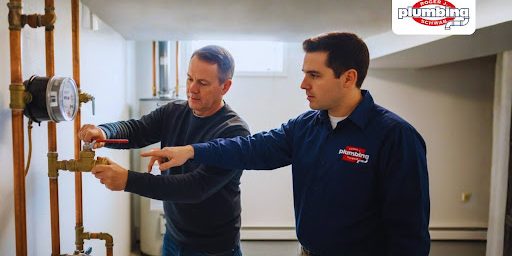
If you notice unexplained increases in your water bill, run this simple test: Turn off every water-using fixture and appliance in your home. Check your water meter and note the reading. Wait two hours without using any water at all. Check the meter again. If it moved, you have a leak somewhere in your system, even if you can’t see it.
What Professional Emergency Leak Repair Actually Involves
When a qualified plumber arrives for emergency leak repair, they follow a systematic process that goes well beyond slapping on a patch.
First comes assessment. Where is the leak? What’s causing it? How extensive is the damage? Is this an isolated failure or a symptom of a larger system problem? Good plumbers spend time on diagnosis because proper identification prevents recurring issues.
Next is stabilization. Stop the immediate problem. Get the water shut off at the right point—not necessarily the main line if a localized valve can isolate the problem area while keeping the rest of your home functional.
Then comes the actual repair. This might involve replacing a section of pipe, re-soldering joints, installing new fixtures, or addressing whatever failed component created the leak. Quality work here makes the difference between a repair that lasts years versus one that fails again in weeks.
Finally, there’s verification. Professional plumbers test their work before they pack up. They turn water back on and verify the repair holds under normal operating pressure. They check for any secondary issues the leak might have created.
Throughout this process, transparent communication matters. You should understand what failed, why it failed, what the repair involves, and what it will cost before work begins. The quality plumbing service you demand at the prices you deserve isn’t just a tagline—it’s a commitment to treating customers like neighbors, not transaction numbers.
Comparing Emergency Response Options
When water is actively damaging your home, you have choices about who to call. Understanding those options helps you make decisions before crisis mode overwhelms logical thinking.
| Response Option | Typical Arrival Time | Cost Structure | Lake County Knowledge | Long-term Relationship |
|---|---|---|---|---|
| Local Family Plumber | 30-90 minutes | Fair, transparent pricing | Deep local expertise | Ongoing trusted partner |
| National Chain | 2-4 hours | Higher overhead costs | Generic training | Different tech each visit |
| Handyman Service | When available | Varies widely | Limited licensing | Inconsistent quality |
| DIY Temporary Fix | Immediate | Parts cost only | Your skill level | May need professional follow-up |
This isn’t to say that only one option works. But understanding the trade-offs helps you match the solution to your specific situation.
A local family business like CallMyPlumber.com combines the best of multiple worlds: professional licensing and expertise, genuine emergency availability, fair pricing without corporate markups, and the accountability that comes from serving the same community for over two decades. When Lake County homeowners need reliable service, they’re not experimenting with random contractors—they’re calling the same family business their neighbors recommend.
Prevention Strategies That Actually Work
Look, emergency repairs will always be necessary sometimes. Pipes age. Materials fail. Unexpected problems happen. But you can dramatically reduce your risk with straightforward preventive measures.
Annual plumbing inspections catch small issues before they become emergencies. A licensed plumber can spot early warning signs—corrosion patterns, weak connections, aging fixtures—and address them during normal business hours at standard rates rather than at 3 AM with emergency pricing.
Know your home’s vulnerable points. Pipes in unheated spaces need extra attention before winter. Older fixtures deserve periodic inspection. Water heaters don’t last forever, and replacement on your schedule beats catastrophic failure on theirs.
Maintain appropriate water pressure. Pressure that’s too high accelerates wear on every component in your system. A simple pressure regulator protects your entire plumbing infrastructure.
Address minor issues promptly. That slow drip under the sink isn’t getting better on its own. The toilet that runs occasionally is wasting water and indicating a failing component. Small repairs now prevent big emergencies later.
Understanding True Emergency Plumbing Costs
Let’s address the elephant in the room: emergency service costs more than scheduled appointments. But understanding why helps you make informed decisions.
After-hours availability requires plumbers to remain on call, meaning they can’t make other plans or commitments during that time. When they respond at 2 AM, they’re sacrificing sleep and family time. Equipment, vehicle costs, licensing, and insurance—these don’t pause for nights and weekends.
Quality plumbers price their emergency services to reflect this reality while remaining fair to customers facing genuine crises. They don’t gouge people during vulnerable moments, but they also can’t operate at a loss providing 24/7 availability.
What separates good companies from predatory ones is transparency. You should know what you’ll pay before work begins. Estimates should be clear. There shouldn’t be surprise fees or hidden charges after the job is complete.
Plumbing service pricing from established local companies tends to be more stable and predictable than national chains with regional pricing schemes and heavy corporate overhead. The family business model keeps costs reasonable because there aren’t layers of management and franchise fees inflating every invoice.
When to Call and What to Expect
Not every plumbing problem qualifies as an emergency requiring immediate response. But some absolutely do. Here’s how to tell the difference.
Call immediately for active leaks that won’t stop, sewage backups, burst pipes, no water supply to the entire house, gas odors near plumbing fixtures, or flooding that threatens your home’s structure or electrical system.
Call during business hours for slow drains, minor fixture leaks you can contain with a bucket, running toilets, low water pressure, or water heater issues that aren’t causing active flooding.
The exception is when “minor” problems occur at critical times—like discovering a leaking water heater right before you leave for a two-week vacation. Context matters. Use your judgment, and know that reputable plumbers will be honest about whether you truly need immediate service or if the problem can wait.
When you call for emergency service, have this information ready: Your address and cross streets, the nature of the problem, whether you’ve shut off water or electricity, and any relevant details about your home’s age or plumbing system. Clear communication speeds up response and helps plumbers arrive with appropriate equipment.
Frequently Asked Questions
What’s the fastest way to stop a pipe from leaking?
The fastest way to stop a pipe from leaking is shutting off the water supply to that pipe. For small leaks, you can often use the fixture shut-off valve (the small valves under sinks or behind toilets). For larger leaks or when local valves aren’t available, shut off your home’s main water supply. This immediately stops water flow while you wait for professional repair. Temporary fixes like pipe tape or epoxy putty might slow very minor leaks but aren’t reliable solutions for active plumbing failures. The only permanent solution is proper repair by a licensed plumber who can identify why the pipe failed and fix it correctly.
How fast can a Lake County plumber get to my house?
Response times for emergency plumbing in Lake County typically range from 30 minutes to 90 minutes, depending on your location, time of day, and current service demand. Local family-owned companies like CallMyPlumber.com generally respond faster than national chains because their service area is focused specifically on Lake County rather than a broad regional territory. During severe weather events when multiple emergencies occur simultaneously, response times may extend slightly, but established local plumbers prioritize true emergencies like active flooding or burst pipes. Having a relationship with a local plumber before you need emergency service often results in faster response because they recognize returning customers and know your home’s history.
Don’t Wait Until Water Wins: Take Action Now
Here’s the bottom line: Emergency leak repair isn’t something you want to research while water is actively destroying your home. The time to prepare is right now, before you hear that ominous dripping sound or see water where it shouldn’t be.
Save CallMyPlumber.com’s contact information in your phone. Locate your main water shut-off valve. Schedule that preventive inspection you’ve been putting off. These simple steps transform you from a potential victim of plumbing disasters into someone who’s prepared, protected, and partnered with professionals who actually care about Lake County homes.
Twenty-plus years of service to your community isn’t an accident. It’s the result of doing things right—fair pricing, quality work, genuine emergency availability, and treating neighbors like family. When you’re standing in your basement watching water spread across the floor, you don’t want to be scrolling through search results hoping the company with the best website actually answers their phone.
You want the number of the plumbers your neighbors trust. The ones who’ve fixed thousands of Lake County emergencies. The family business that’s been there for decades and will be there for decades more.
Visit callmyplumber.com to learn more about emergency services, schedule preventive maintenance, or save their contact information for when you need help fast. Your home is your biggest investment. Protect it with professionals who understand that every leak is urgent, every customer matters, and quality work never goes out of style.
Because when plumbing goes wrong, the only question that matters is: who are you going to call?